
Cosmetology
Liposuction
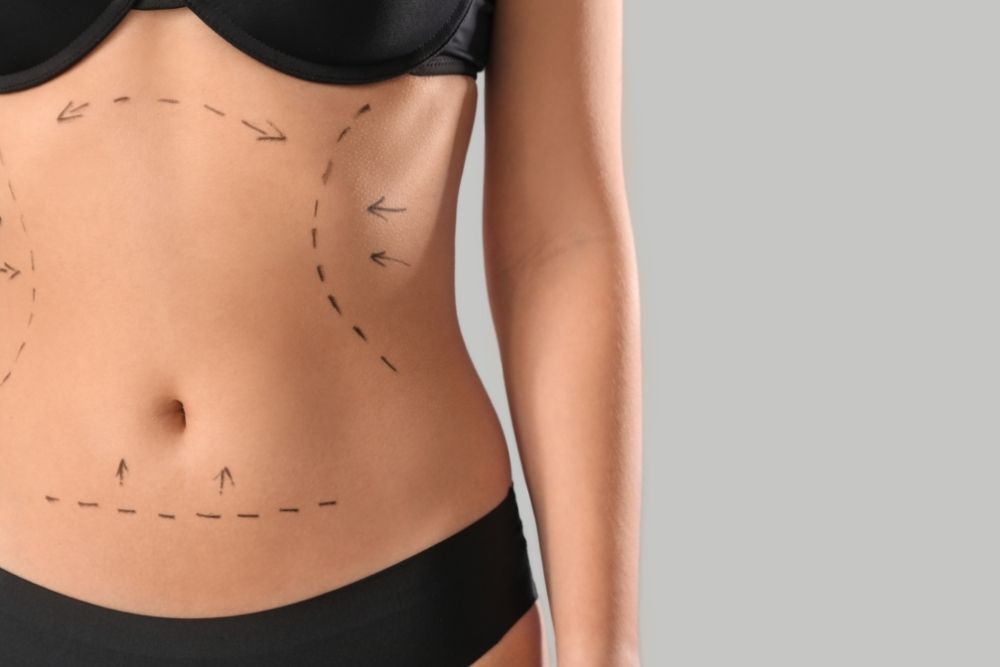
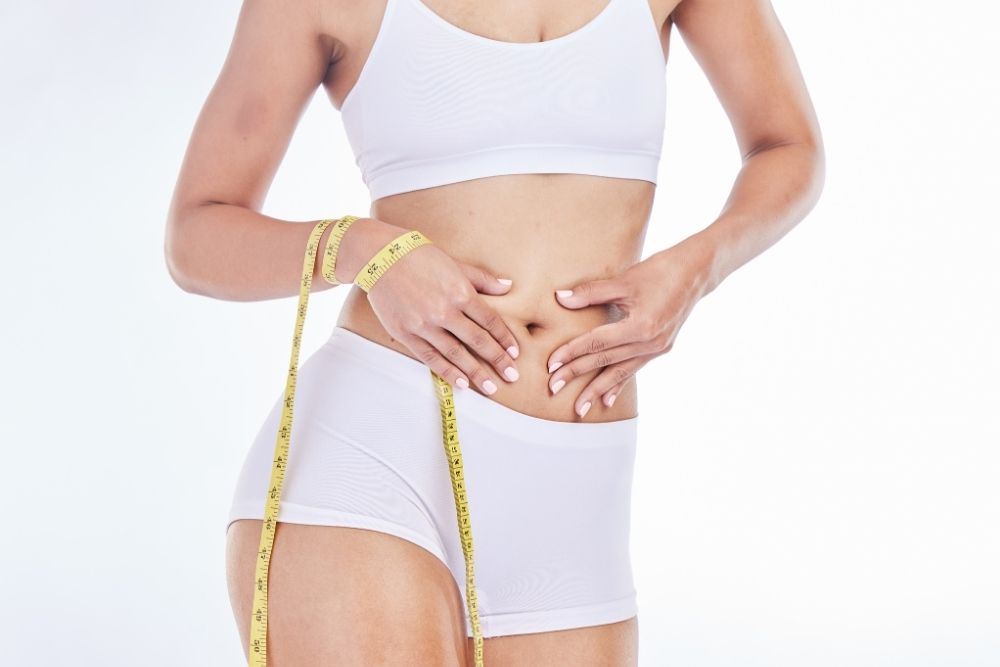
Liposuction is a cosmetic surgical procedure used to remove excess fat from specific areas of the body such as the abdomen, thighs, hips, arms, or neck. It helps to contour and reshape the body but is not a weight-loss solution.
Why Hair O Craft ?
Hair transplant experts since 2006
Expert doctors & certified professionals
Completed more than 30000+
Winner of Asianet Excellence Award
Advantages and
Drawbacks
Advantages: Effectively targets and eliminates fat from specific body regions – which will help to address medical conditions such as gynecomastia, lymphedema, and lipomas
Drawbacks: Does not eliminate stretch marks, dimples, or cellulite -Only a limited volume of fat can be removed safely.
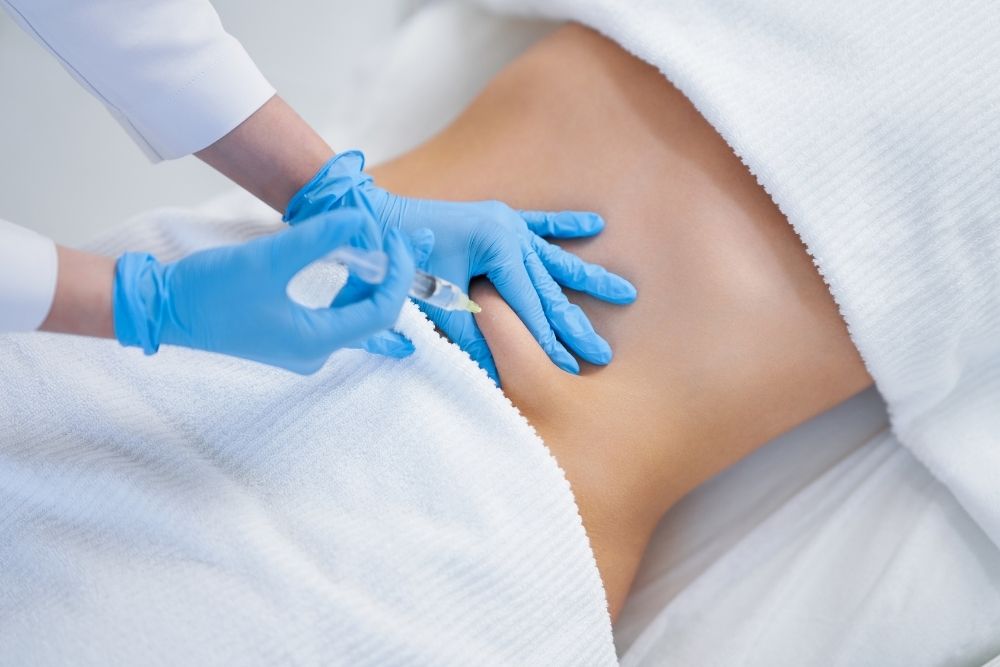
How do Chemical Peels work?
Peels treatment are designed to exfoliate your skin and encourage it to refresh itself, by creating fresh new skin cells. They also stimulate the skin's natural collagen production thereby reducing the appearance of fine lines and wrinkles.
Different Types of Liposuction
Tumescent Liposuction
It includes the injection of a medicated fluid into specific fat areas before removal.
Super-Wet Technique
Similar to the tumescent method but uses a smaller volume of fluid.
Ultrasound-Assisted Liposuction (UAL)
Use ultrasonic waves to break down fat into liquid format.
Laser-Assisted Liposuction (LAL)
Employs laser technology to melt fat for easier extraction.
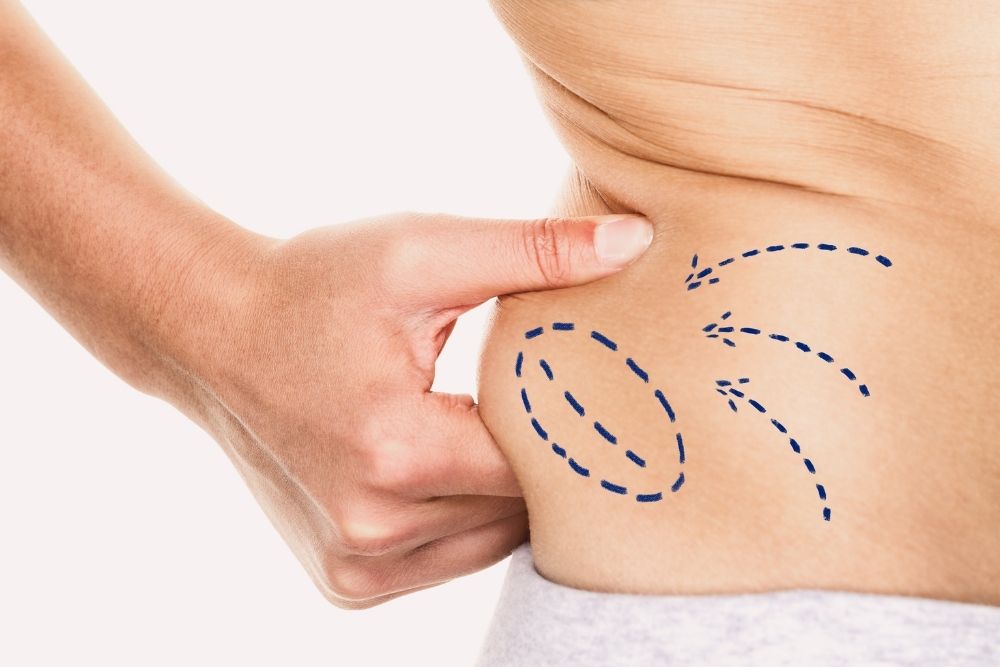
Steps in the
Liposuction Procedure
Anaesthesia Administration: Either local or general anaesthesia is administered to ensure patient comfort.
Tiny Incisions: Small cuts are made in the targeted area.
Fat Loosening: A thin tube also known as cannula is inserted to break up the fat.
Fat Removal: Dislodged fat is suctioned out with a vacuum device or syringe.
Closure: The area is carefully stitched to complete the procedure
Steps in the
Liposuction Procedure
Anaesthesia Administration: Either local or general anaesthesia is administered to ensure patient comfort.
Tiny Incisions: Small cuts are made in the targeted area.
Fat Loosening: A thin tube also known as cannula is inserted to break up the fat.
Fat Removal: Dislodged fat is suctioned out with a vacuum device or syringe.
Closure: The area is carefully stitched to complete the procedure
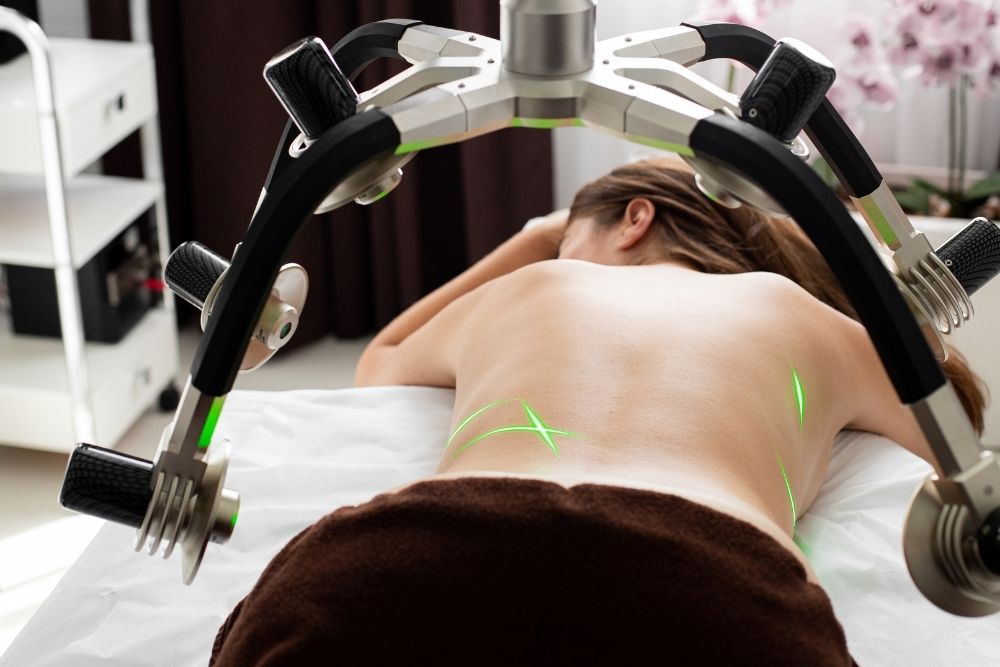
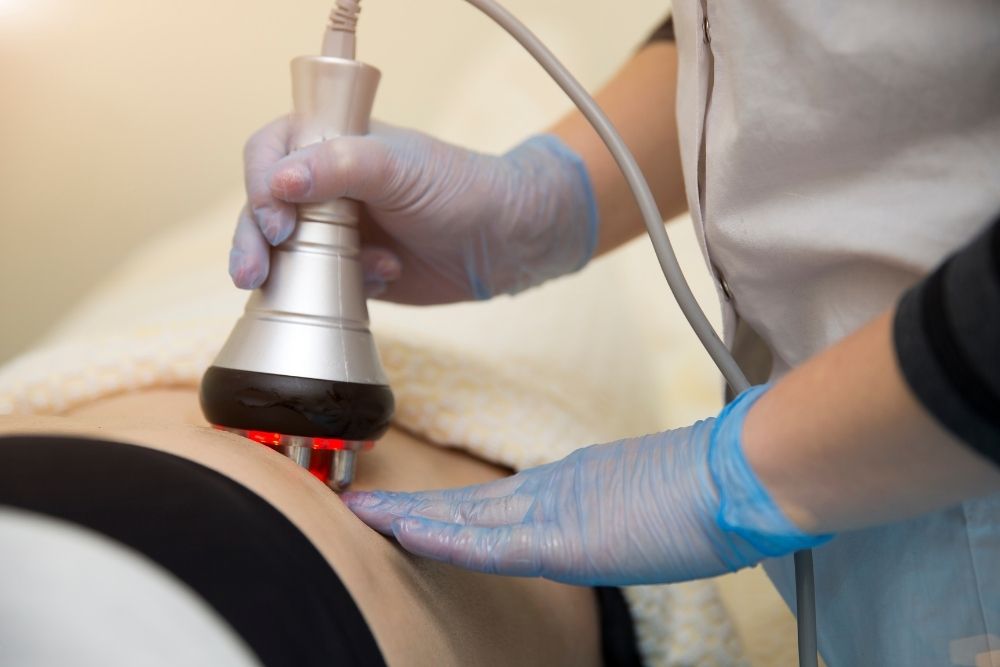
Liposuction
Recovery Timeline
Days 1–3: Prioritize rest, wear compression garments, and manage discomfort with prescribed medication.
Weeks 1–2: Maintain light activity, and avoid heavy lifting or intense workouts.
After 1 Month: Swelling and pain significantly reduce, and initial results start to become noticeable.
3–6 Months Post-Surgery: Final results emerge as the body fully heals and skin adjusts smoothly.
Ideal Outcome
Long-lasting Outcome: Only a single procedure is required.
Optimal Results: Best results occur when the skin is firm and elastic, with healthy underlying muscles.
Post-Treatment Weight Gain: Weight can be gained in the treated areas after the treatment.
Statistics and
Satisfaction
86% Satisfaction Rate: Prioritize rest, wear compression garments, and manage discomfort with prescribed medication.
Positive Recommendation: The majority of patients are likely to suggest liposuction to friends and family members.
Liposuction Surgery –
Treatable Areas
Liposuction is a flexible body sculpting procedure that target and reshape multiple areas of the body. Commonly treated regions include:
- Abdomen
- Back and buttocks
- Chest area
- Inner knees
- Hips and flanks (also known as love handles)
- The neckline and the area beneath the chin
- Thighs – both outer (“saddlebags”) and inner thighs
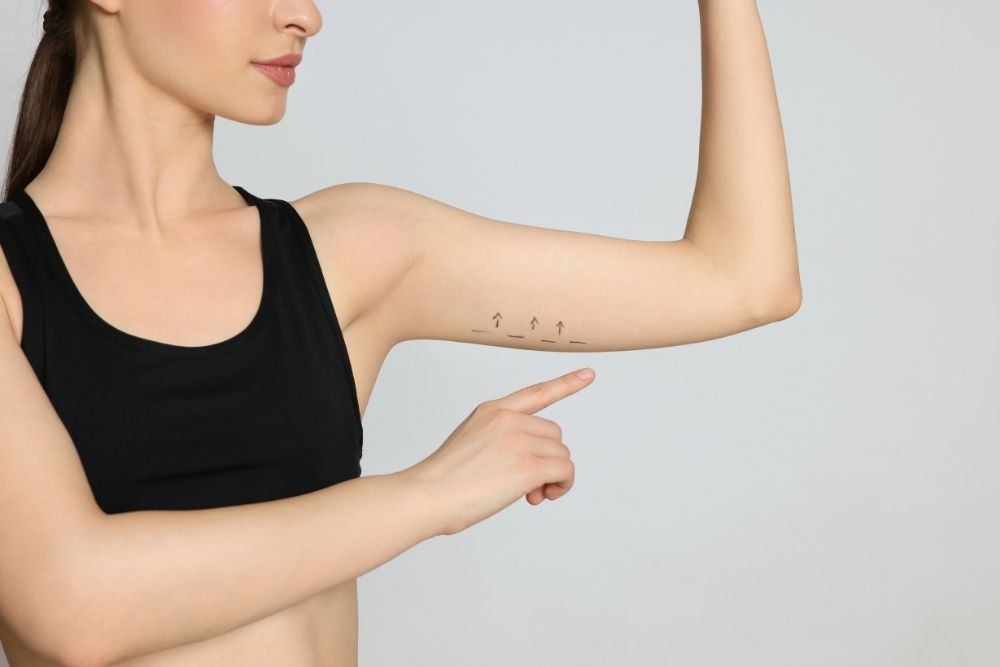
- Upper arms

Frequently Asking Questions
Usually you need to take around 4 to 6 sessions before you see any visible change. The interval between the sessions will range from 2 weeks to 1 month depending upon your skin type.
After the peel your old skin layer is exfoliated and you start developing new healthy skin. So you should take all precautions to protect it from the harmful light. You should use a sunscreen (strictly recommended by your dermatologist based on your skin type) regularly to protect your new skin. You should also drink plenty of water to keep your skin hydrated.